
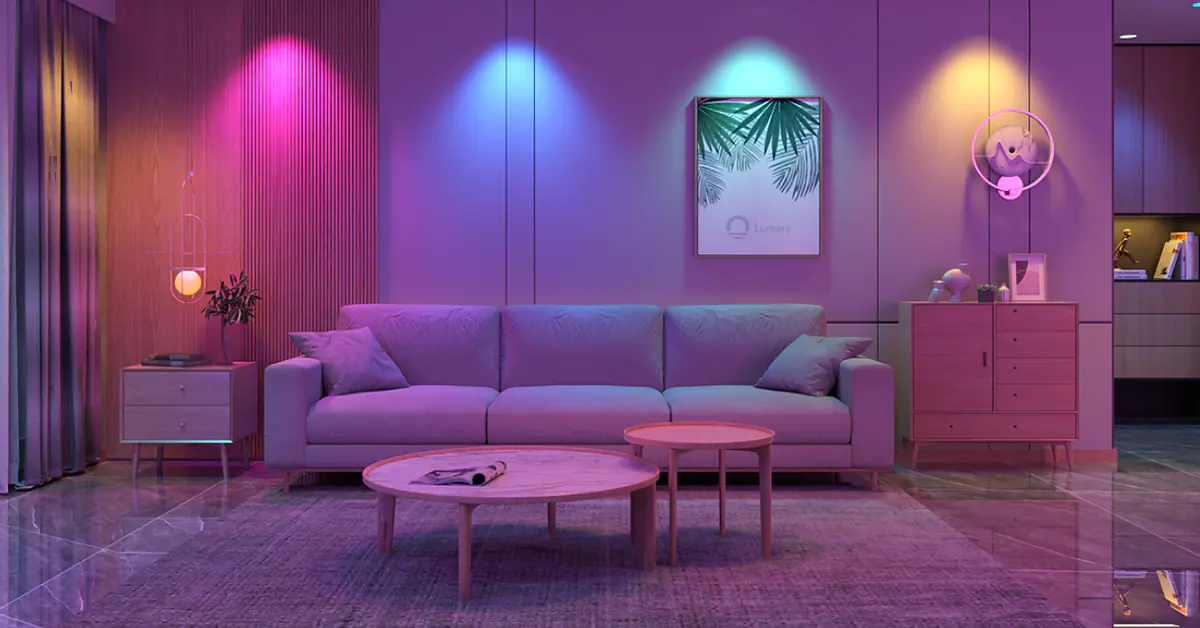

Lighting influences how a home looks, feels, and functions throughout the day. The right combination of brightness, warmth, and placement can make a small room feel more spacious, create a relaxing atmosphere, and improve everyday activities. Whether you are refreshing a single corner or updating several rooms, thoughtful lighting choices can make a noticeable difference without requiring a complete renovation.
Exploring decorative lights for home online makes it easier to discover designs that complement different interiors, from modern apartments to traditional family homes. With suitable indoor lighting online, homeowners can compare styles, consider energy efficiency, and find options that match their practical needs. Lighting can also complement furniture, kitchen accessories, and other home and kitchen products online to create a coordinated living environment.
Understanding the Different Types of Home Lighting
A successful lighting plan combines several types of illumination rather than relying on one bright ceiling fixture. Each layer serves a different purpose, and together they make a room more comfortable and visually appealing.
Ambient Lighting for Everyday Comfort
Ambient lighting provides the general illumination needed for everyday activities. Ceiling lights, flush-mounted fixtures, chandeliers, and recessed lights are common examples. The best choice depends on the room’s size, ceiling height, and interior design.
For a living room, soft ambient lighting can create a welcoming atmosphere for family gatherings. Bedrooms usually benefit from comfortable, warm illumination that supports relaxation. In kitchens, brighter general lighting helps people move around safely and complete routine tasks.
Task Lighting for Specific Activities
Task lighting directs illumination toward a particular area where additional visibility is necessary. Desk lamps, reading lights, under-cabinet kitchen fixtures, and vanity lights are practical examples.
A well-positioned task light reduces the need to illuminate an entire room when only one area requires extra brightness. It is especially useful for reading, cooking, studying, applying makeup, and working from home.
Accent Lighting for Decorative Appeal
Accent lighting highlights selected features, such as artwork, shelves, architectural details, or indoor plants. Wall sconces, picture lights, LED strips, and small decorative lamps can introduce depth and visual interest.
These fixtures are particularly useful when a room feels plain despite having adequate general lighting. A carefully positioned accent light can draw attention to a favourite feature without making the space feel overcrowded.
Choosing Decorative Lights for Home Online
Shopping for decorative lighting online gives homeowners an opportunity to compare different fixture designs, finishes, sizes, and lighting features. However, choosing a product based only on its appearance can lead to disappointing results. A beautiful fixture should also provide suitable illumination for its intended location.
Match Lighting With Your Interior Style
Consider the existing furniture, wall colours, flooring, and decorative accessories before selecting a fixture. A coordinated approach helps lighting become part of the overall design rather than an isolated feature.
Modern interiors often pair well with clean lines, understated pendant lights, and minimalist floor lamps. Traditional spaces may suit decorative chandeliers, classic wall sconces, or fixtures with warm metallic finishes. Natural materials and simple geometric designs can complement contemporary and Scandinavian-inspired rooms.
Consider Size, Placement, and Proportion
A fixture should suit the dimensions of the space. An oversized chandelier may overwhelm a compact room, while a tiny pendant can look out of place above a large dining table.
Before ordering, check the product dimensions and consider how the light will be positioned. For ceiling fixtures, account for ceiling height and the movement of people underneath. For table lamps, ensure the shade and base fit comfortably on the available surface.
Check These Features Before Buying
When browsing decorative lights for home online, compare the following details:
- Light colour: Warm white generally creates a cosy atmosphere, while neutral or cool white may suit work areas and kitchens.
- Brightness: Check the lumen rating to understand how much light the fixture produces.
- Energy efficiency: LED lights usually consume less electricity than traditional incandescent bulbs for comparable light output.
- Materials and finish: Look for finishes that coordinate with existing furniture and can be maintained easily.
- Installation requirements: Confirm whether the fixture requires professional installation, compatible bulbs, or additional accessories.
Reading product descriptions carefully helps prevent mismatched purchases. It is also useful to review return policies, warranty information, and compatibility details before placing an order.
Indoor Lighting Online: Ideas for Every Room
Every room has different lighting requirements. A practical plan considers the activities performed in each area while maintaining a consistent visual style throughout the home.
Create a Welcoming Living Room
The living room often serves several purposes, including entertaining guests, watching television, reading, and spending time with family. Using multiple light sources makes it easier to adjust the atmosphere for different occasions.
Combine a central ceiling fixture with floor lamps, table lamps, or wall lights. Place reading lamps near seating areas and use accent lighting to highlight artwork or decorative shelves. Dimmers can provide additional flexibility by allowing brightness to change throughout the day.
Avoid placing strong lights directly opposite a television because reflections can distract viewers. Instead, consider softer background illumination that reduces the contrast between the screen and the surrounding room.
Make the Bedroom Calm and Functional
Bedroom lighting should support relaxation while providing enough visibility for everyday routines. Warm-toned bulbs are often a comfortable choice for bedside lamps and general evening illumination.
Bedside lights are especially useful because each person can control their own lighting without disturbing someone else. Wall-mounted reading lights can also free up space on small bedside tables.
For wardrobes and dressing areas, consider brighter task lighting that helps with selecting clothes and other daily activities. Position fixtures carefully to reduce harsh shadows around mirrors.
Improve Kitchen Lighting for Practical Use
Kitchen lighting needs to balance appearance with functionality. General ceiling lights provide overall visibility, while task lighting helps illuminate worktops, sinks, and food preparation areas.
Under-cabinet lighting is useful because overhead cabinets can cast shadows across counters. Pendant lights may also work well above kitchen islands or breakfast bars, provided they are installed at a suitable height.
When exploring home and kitchen products online, compare lighting accessories with the room’s existing fittings, storage arrangements, and colour scheme. Choose fixtures designed for the intended environment, particularly where moisture, heat, or cooking residue may affect maintenance.
Brighten Bathrooms, Hallways, and Workspaces
Bathrooms benefit from even lighting around mirrors, along with appropriate general illumination. Fixtures must be suitable for their installation location and the area’s moisture exposure. Follow local electrical requirements and consult a qualified electrician where necessary.
Hallways often need compact ceiling fixtures or wall lights that provide safe movement without taking up floor space. In home offices, adjustable desk lamps and balanced ambient lighting can make reading documents and working on screens more comfortable.
Practical Ways to Improve Lighting Efficiency
A well-lit home does not necessarily require more fixtures or higher electricity consumption. Better placement, appropriate brightness, and efficient products can improve results while keeping energy use under control.
Use Energy-Efficient Bulbs and Controls
LED bulbs are a practical option for many household fixtures because they generally use less energy and last longer than traditional incandescent bulbs. Choose bulbs with the correct base, wattage compatibility, colour temperature, and brightness for each fitting.
Dimmers, timers, and smart lighting controls can provide additional convenience. Dimmers help adjust illumination to suit different activities, while timers can manage lights according to a regular schedule. Before purchasing smart bulbs or controls, confirm that they work with the existing fixtures and any required hub or home network.
Make Better Use of Natural Light
Daylight can reduce the need for artificial illumination during daytime hours. Keep windows reasonably clear, use suitable curtains, and position desks or reading areas where natural light is useful without creating excessive screen glare.
Light-coloured walls and reflective surfaces can help distribute light around a room. Mirrors may also make smaller spaces feel brighter when placed where they reflect daylight or a suitable light source.
Follow These Everyday Lighting Practices
Small adjustments can improve both comfort and efficiency:
- Switch off lights in unoccupied rooms when they are not needed.
- Clean lampshades and fixtures periodically to remove dust that can reduce light output.
- Use appropriately sized bulbs rather than choosing the brightest available option for every room.
- Position task lights close to work areas to avoid unnecessary whole-room illumination.
- Replace damaged cords, flickering fixtures, or unsuitable fittings promptly and seek qualified assistance for electrical repairs.
These habits support a more efficient lighting arrangement while helping fixtures remain useful and attractive for longer.
See also: How AI Helps Create Better Headlines
Coordinating Lighting With Home Décor
Lighting can influence the appearance of colours, textures, and decorative objects. A carefully selected fixture may complement a room’s furniture just as effectively as cushions, rugs, curtains, or wall art.
For example, a pendant light above a dining table can establish a focal point, while matching wall sconces may create a consistent appearance in adjoining spaces. In a minimalist interior, a simple fixture can provide visual interest without introducing unnecessary decoration. In a more traditional room, a detailed lampshade or decorative chandelier can reinforce the existing character.
Consistency does not mean every fixture must match exactly. Different designs can work together when they share a common finish, shape, material, or colour temperature. This approach allows each room to retain its individual personality while maintaining a connected style throughout the home.
When buying lights alongside furniture and accessories, consider the complete arrangement rather than evaluating every item separately. Browsing home and kitchen products online can help shoppers compare complementary items and plan purchases around their available space and budget.
Find the Right Lighting for a Brighter Home
A comfortable and attractive home begins with lighting that serves everyday needs while reflecting personal taste. Ambient fixtures provide general visibility, task lights support focused activities, and accent lighting brings attention to selected details. Combining these layers creates flexible spaces that can adapt to different routines and occasions.
Comparing decorative lights for home online allows homeowners to explore designs, review product specifications, and select fixtures suited to individual rooms. Choosing suitable indoor lighting online also makes it easier to consider brightness, energy efficiency, installation requirements, and long-term maintenance before making a purchase.
For the best results, start with the rooms that need the most improvement, identify their primary lighting requirements, and build a balanced arrangement gradually. When lighting choices complement furniture, practical accessories, and other home and kitchen products online, the result is a living space that feels brighter, more functional, and more inviting every day.
